

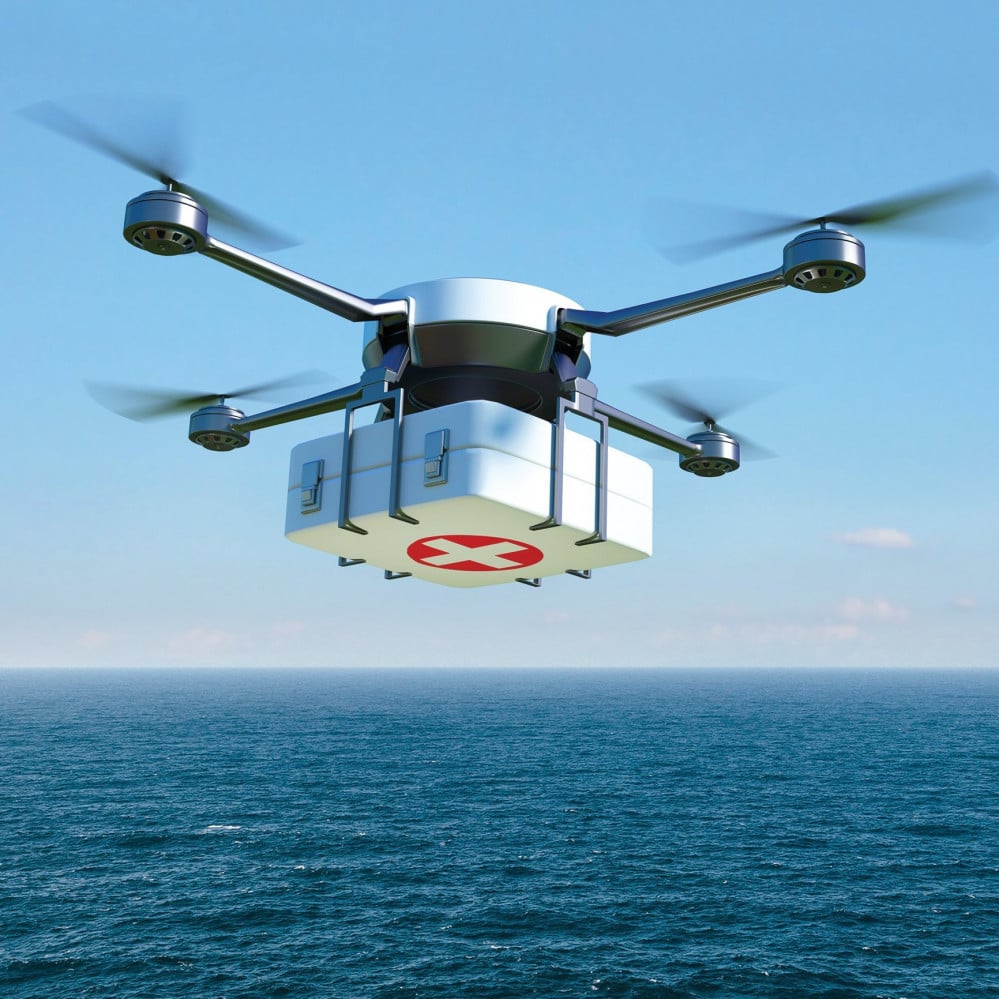
Drones are increasingly used in rescue and relief operations, as these aircraft provide the accuracy and speed that rescue operations need, and help to mitigate the risks to which traditional rescue teams are exposed.
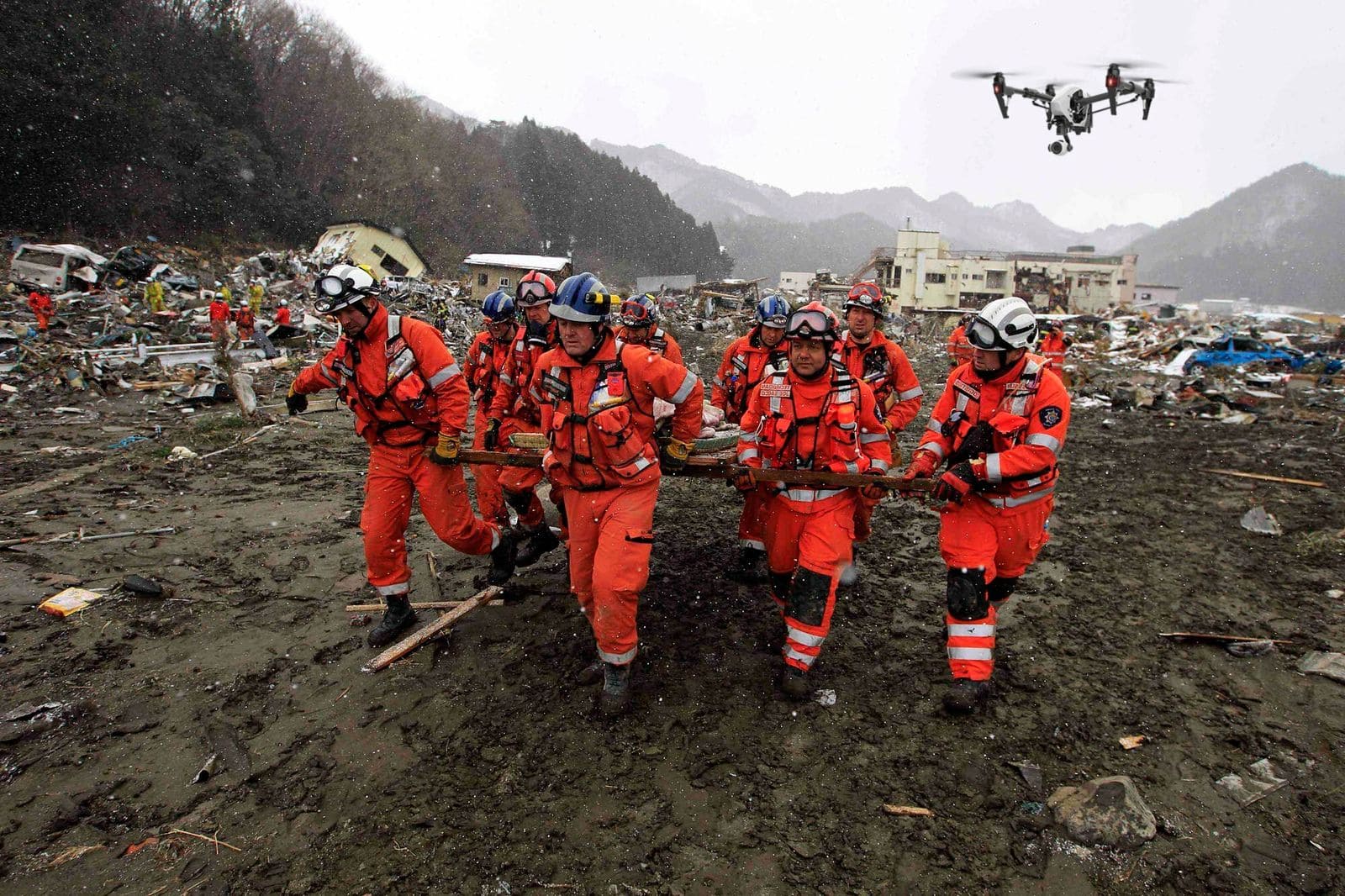
Drones are distinguished by their ability to reach hard-to-reach areas, providing essential support to rescue teams in operations that require victim detection, damage assessment, and threat level determination. Key uses of drones in rescue operations include:
1- Search and rescue: Drones can be used to search for victims in disaster areas, pinpoint their location with high accuracy, and provide the necessary support to rescue teams in reaching hard-to-reach areas.
2- Damage assessment: Drones can be used to assess the extent of damage caused by natural disasters such as floods, hurricanes and earthquakes, determine the level of danger and prepare for necessary relief and repairs.
3- Delivering aid: Drones can be used to deliver medical, food, and water aid to disaster-stricken areas quickly and with high accuracy.
4- Search and rescue at sea: Drones can be used to monitor sea waters, search for people in need of assistance in remote locations, and provide necessary support to rescue teams in search and rescue operations.
< src="https://cdn.salla.sa/Kozd/HKVLvX7bmhQn2nzLzVxupq6edbqlzRlHxKydBMXE.jpg">
Using drones in rescue operations requires specialized training and high-level skills in controlling the aircraft and handling the necessary tools and equipment. Rescue teams must have sufficient experience working with these tools and understand how to use them correctly.
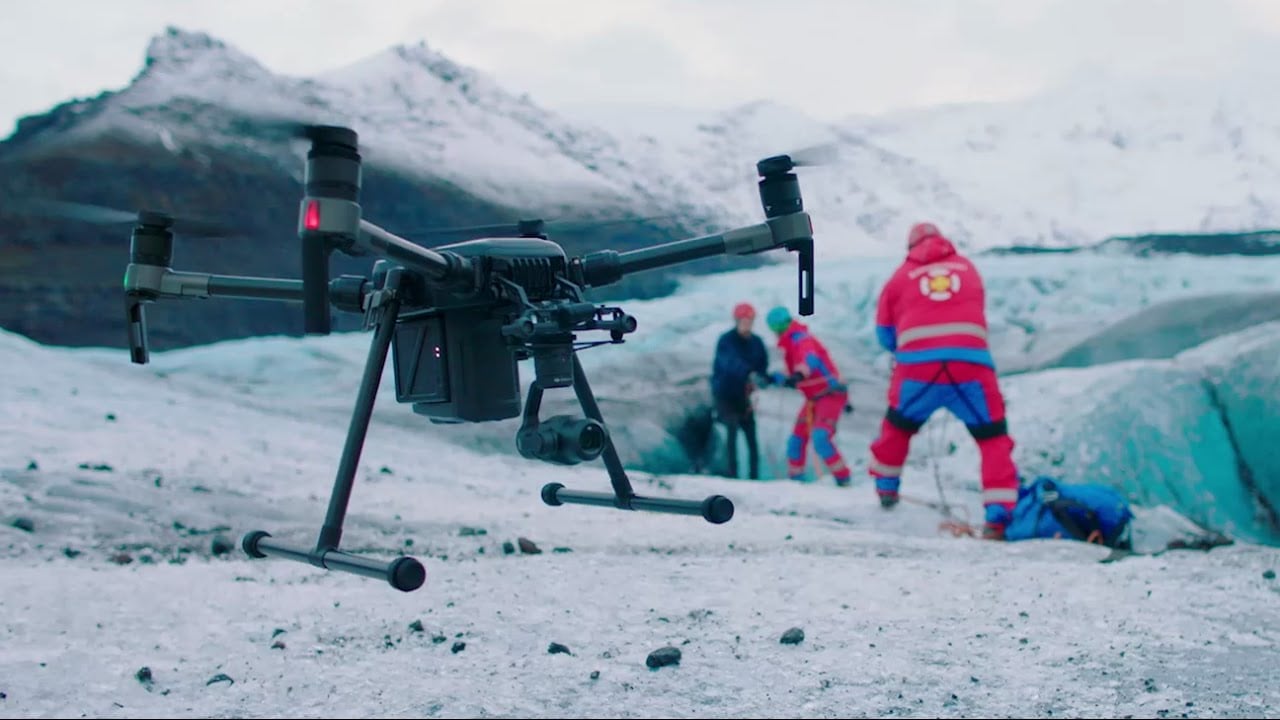
In conclusion, it can be said that drones represent an effective and important tool in rescue and relief operations, helping to reduce risks and provide the necessary support to rescue teams in reaching hard-to-reach areas, determining the extent of the danger, and assessing the damage.